
The marketing landscape is evolving at an unprecedented pace, making it essential for businesses to stay ahead of emerging trends.
Change will continue in 2025, driven by artificial intelligence and the growing ecosystem of marketing tools available. However, the focus isn’t just on technology – marketers are increasingly prioritizing tactics that enhance human connection, not replace it.
Data-driven marketing strategies remain important, making the most of advancements in technology to gain actionable insights. But as access to meaningful data grows, so too does the need for compliance and responsible usage, ensuring customer trust is never compromised. Authenticity, trust, and personalization are key to successful campaigns, making it essential for brands to prioritize data privacy to meet growing public expectations.
These trends underline a shift toward more thoughtful, people-centered marketing, setting the stage for 2025.
Key marketing insights from 2024
The marketing industry in 2024 has been shaped by several key trends that continue to redefine how brands connect with their audiences.
Short-form video content, driven by platforms like TikTok, Instagram Reels, and YouTube Shorts, dominated strategies across industries. These bite-sized videos proved incredibly engaging, offering brands an authentic way to reach and resonate with their target markets.
Simultaneously, the rise of AI-powered tools revolutionized marketing workflows, from generating data-driven insights to enhancing their creative workflows. Marketers increasingly embraced tools that allowed them to fine-tune customer journeys and create content tailored to individuals while increasing their teams’ efficiency.
There was also an increased emphasis on creating content that aligns with a brand’s core values. Audiences are more discerning than ever, rewarding brands that are transparent and authentic in their messaging.
As businesses reflect on these learnings, there are plenty of opportunities to capitalize on for 2025. Areas ripe for innovation include leveraging AI transparently, pushing the boundaries of interactive content formats, and leveraging community-building initiatives.
To succeed in the year ahead, brands must balance creativity, authenticity, and technology to remain competitive in their industries.
8 marketing trends for 2025
1. AI will drive more than just efficiency
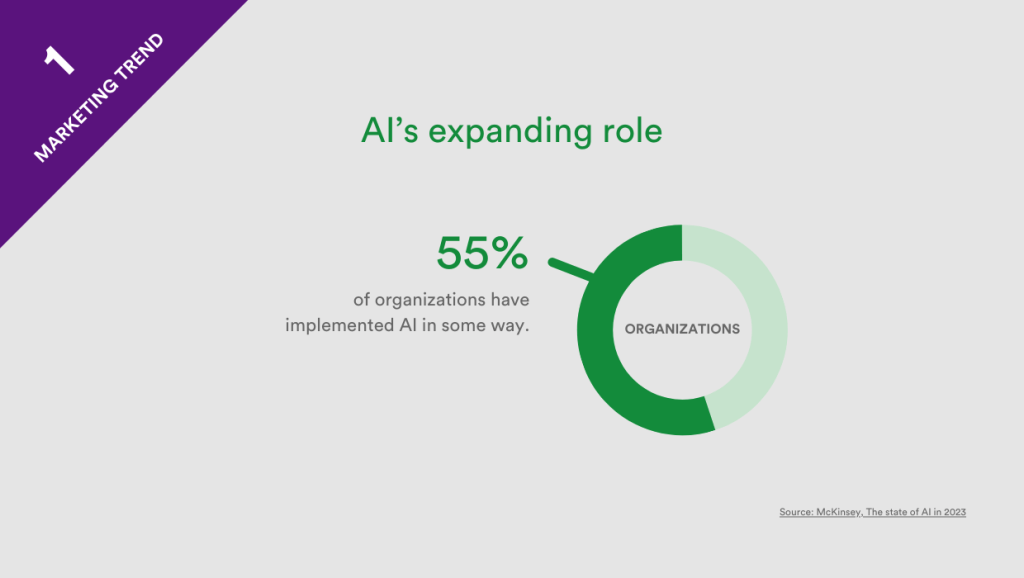
Source: McKinsey – The state of AI in 2023
AI and automation will continue to transform how brands connect with their audiences. These tools are no longer just about efficiency – they’re enabling more personalized, meaningful interactions. With 55% of organizations already implementing AI in some way, the impact is clear. AI-generated content will play a significant role in tailoring experiences, helping brands speak directly to individual preferences. Expect to see even more advanced email personalization, with hyper-targeted campaigns and product recommendations that feel almost intuitive.
Sophisticated AI-driven chatbots are also on the rise, bringing conversational marketing to new heights by offering real-time, human-like engagement. Behind the scenes, automation will refine predictive analytics and customer journey optimization, helping marketers anticipate needs and adapt strategies accordingly.
However, it’s not all smooth sailing. The challenge will be in navigating the AI skills gap and ensuring AI is used strategically. Over-reliance on automation could risk diluting a brand’s authenticity, so finding the balance between technology and human touch will be crucial.
How Spotify implemented AI
Spotify has changed the way we experience music by using AI to make listening more personal. Features like Discover Weekly and Daily Mix track what you listen to, which songs you skip, and what genres you love. They even analyze things like tempo and mood to recommend music that feels just right for you.
Spotify’s AI helps users find music that feels almost handpicked, making the experience more engaging and personal.
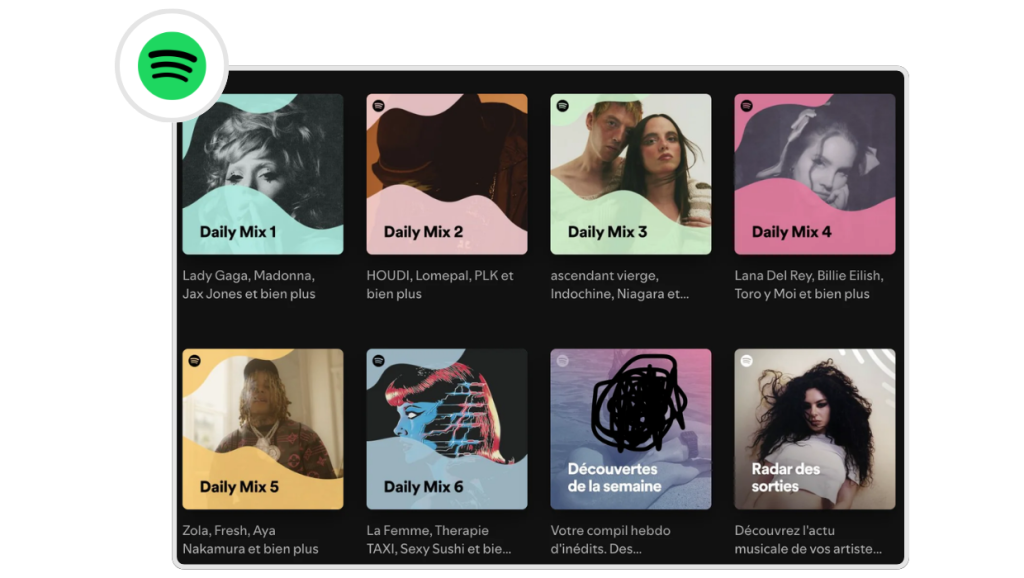
Spotify’s personalized Daily Mix playlists, powered by AI.
2. Personalization and human experience
A shift from customer experience to human experience is a subtle yet powerful change that we predict marketing teams will adopt. This means brands will aim for deeper, more empathetic connections with their audiences, going beyond transactions to truly understand and reflect their values, preferences, and behaviors.
Personalization will be key, but it needs to feel authentic. Going beyond simply addressing someone by their first name in an email, brands will be using data thoughtfully to deliver experiences that genuinely resonate. Whether it’s tailored email campaigns, product recommendations, or just generally aligning with what matters most to their audience, personalization has to go beyond surface-level gestures.
Nike’s personalized approach
Nike has redefined personalization by going beyond surface-level gestures. Through its membership program and the Nike Training Club app, it delivers deeply personalized experiences, from customized workout plans to exclusive product drops, all based on the user’s fitness goals and preferences.
Nike uses data thoughtfully to align with what matters most to its audience, creating a human-centered experience that fosters empathy and builds lasting connections. It’s not just about selling products; it’s about supporting each individual’s unique fitness journey and empowering them to reach their goals.

The Nike Training Club app showcasing customized workout plans.
3. The evolution of social media and content
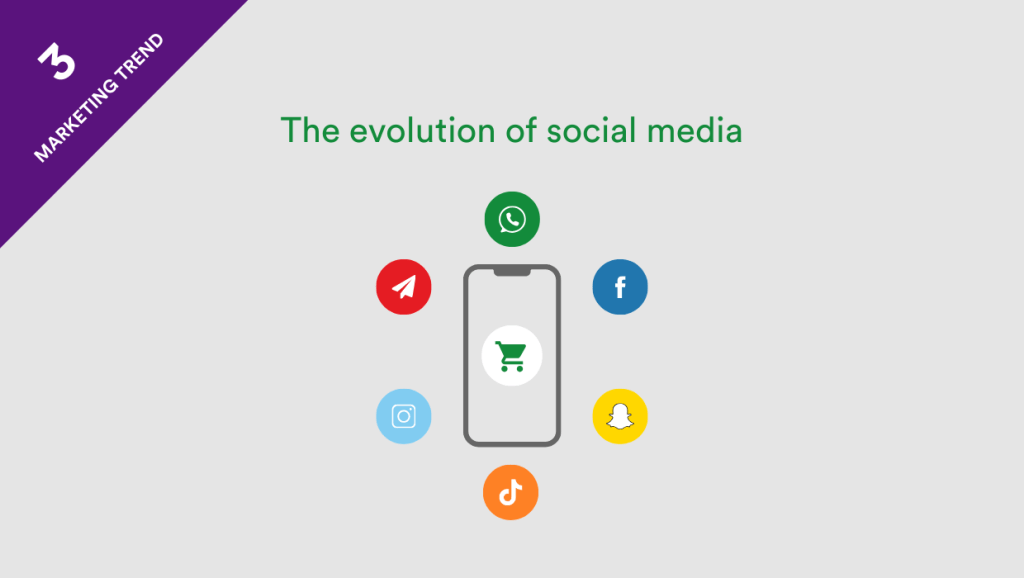
Social media is set to undergo exciting changes in 2025, reshaping how brands share content and connect with their audiences. One major trend is the growth of social commerce, with more brands using shoppable posts and live-streamed shopping events to drive purchases directly within platforms. These experiences are making the path from discovery to purchase quicker than ever.
Meanwhile, the creator economy will continue to flourish, with brands increasingly partnering with micro-influencers and niche creator communities. This approach allows businesses to tap into highly engaged audiences and build authentic connections.
Another shift is the rise of zero-click content, where businesses focus on delivering valuable information directly on social platforms – think posts, infographics, and videos designed to inform or entertain without requiring users to click away.
As mentioned previously, short-form videos will remain strong across TikTok, Instagram Reels, and YouTube Shorts, offering bite-sized, impactful messaging. But this is balanced with long-form content, like in-depth articles and videos, which remains essential for deeper audience engagement.
Glossier’s social media strategy
Glossier has successfully leveraged social media by blending social commerce with shoppable posts and live-streamed shopping events. They also partner with micro-influencers to reach engaged audiences and create authentic connections. Their zero-click content keeps users on the platform with helpful posts, tutorials, and short-form videos, while longer content on their blog and YouTube dives deeper into product details. This mix keeps their audience both engaged and ready to buy.
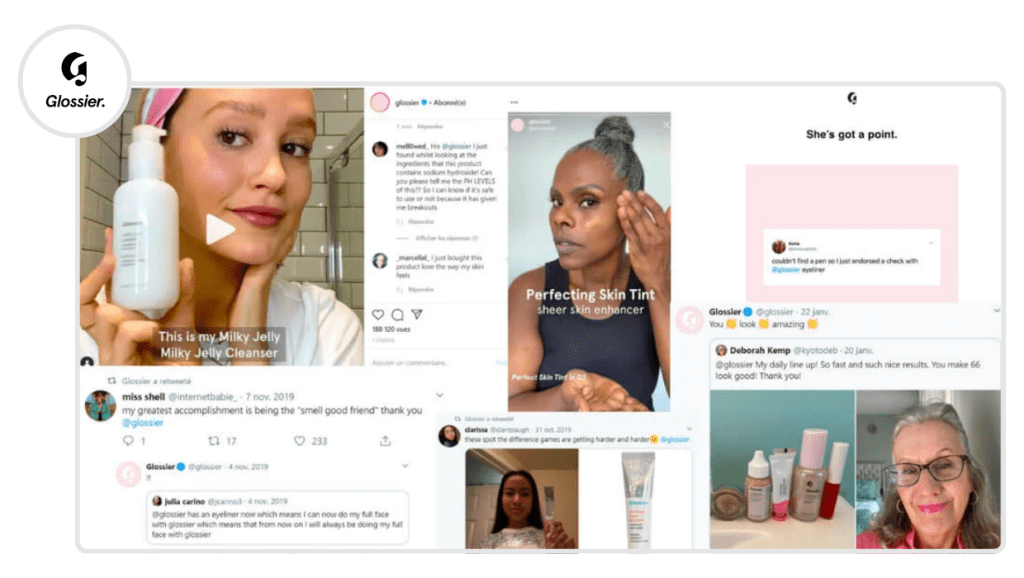
Glossier’s social media strategy includes showcasing highly engaging user-generated content.
4. Transparency with data and privacy
Source: Forbes, Privacy, and trust in the AI age
With privacy concerns at an all-time high, collecting zero-party data – information that customers willingly share through form submissions, surveys, feedback, or preferences – will be essential. This approach not only respects privacy but also ensures communications feel thoughtful rather than intrusive.
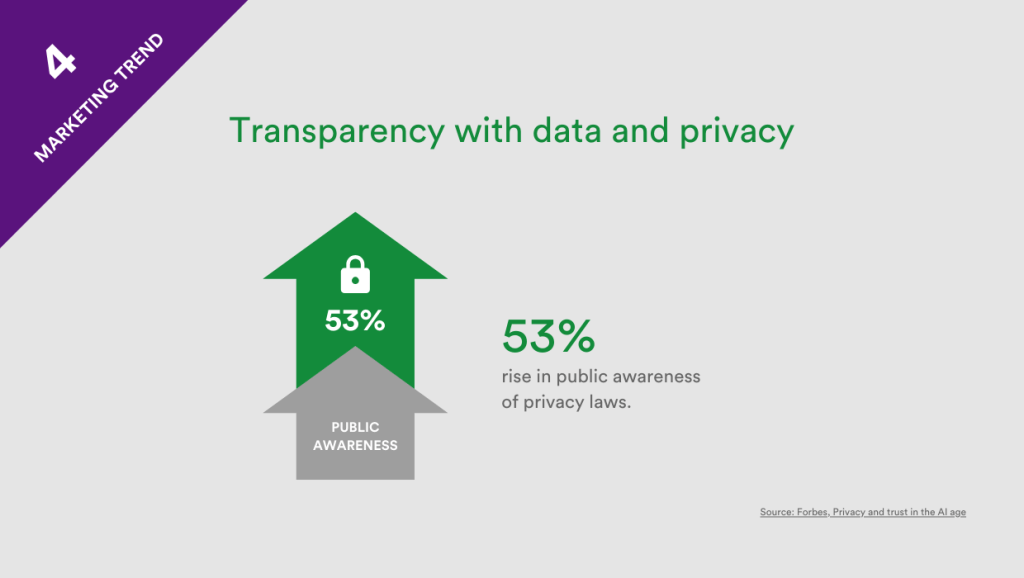
The importance of privacy is underscored by a recent survey revealing a 53% rise in public awareness of privacy laws. This heightened awareness makes adhering to data privacy regulations like GDPR even more critical. Brands that prioritize transparency and ethical practices will not only meet these expectations but also gain a competitive edge, as trust becomes a key driver of customer loyalty.
Apple leading the privacy wave
A great example of a company embracing transparency with data and privacy is Apple.
Apple has made privacy a core aspect of its brand, integrating features such as App Tracking Transparency and privacy labels on the App Store, where users can see exactly what data an app collects before downloading it. The company also introduced a “Privacy Nutrition Label,” similar to a food label, which offers clear information on how data is collected and used.
Additionally, Apple’s approach to zero-party data is reflected in how it allows users to control what data is shared, such as through personalized ads and app recommendations.

Apple leading the way in privacy across their mobile devices, internet browsers, and more.
5. Generational and demographic shifts
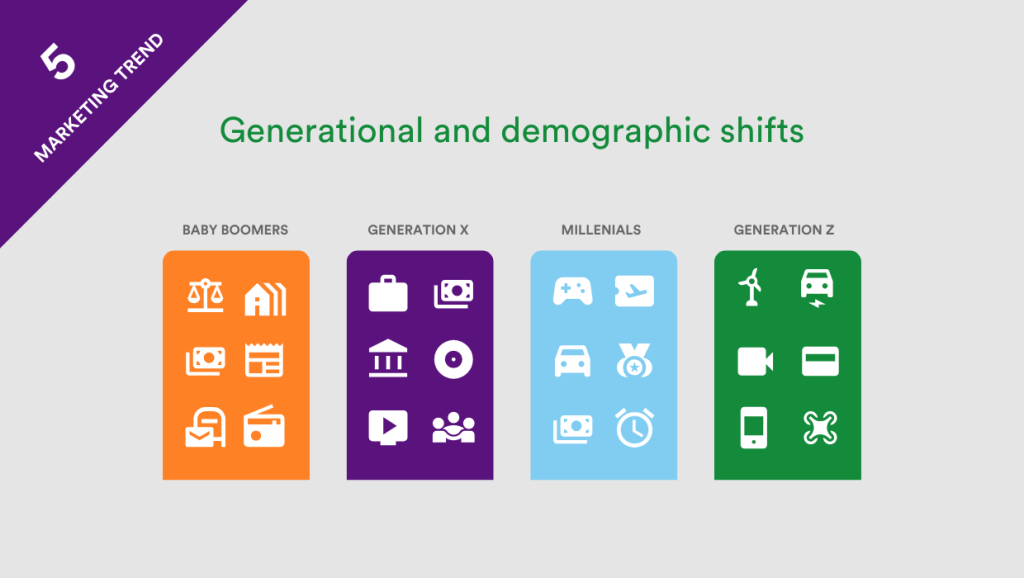
Understanding generational differences will become even more crucial for marketers. As Gen Z gains more spending power and Millennials continue to dominate certain markets, tailoring strategies to their unique preferences will be key. Each generation interacts with brands differently, from the platforms they prefer to the tone of messaging they respond to best.
For instance, Gen Z gravitates toward short-form video content and authentic, unpolished communication on platforms like TikTok, while Millennials often value detailed storytelling and experiences shared through Instagram or email campaigns. Older generations may lean toward traditional methods, but even here, digital touchpoints are becoming essential.
Marketers who fine-tune their approach – speaking the language of each demographic – will stand out. It’s no longer about one-size-fits-all strategies, it’s about meeting audiences where they are and delivering messages that resonate with their values and habits.
Sephora’s demographic marketing efforts
Sephora is a great example of a company adapting to generational preferences.
For Gen Z, Sephora focuses on TikTok and Instagram Reels, sharing short, authentic videos like makeup tutorials and beauty hacks. They highlight diversity and inclusivity, which resonates with Gen Z’s values.
For Millennials, Sephora uses email campaigns, YouTube, and Instagram stories to provide detailed product reviews, beauty tips, and skincare routines. This generation appreciates informative content and personalized recommendations.
By tailoring its approach, Sephora stays connected with both younger and older audiences.

Sephora’s marketing strategy involves meeting their target demographics preferences.
6. AI content and transparency
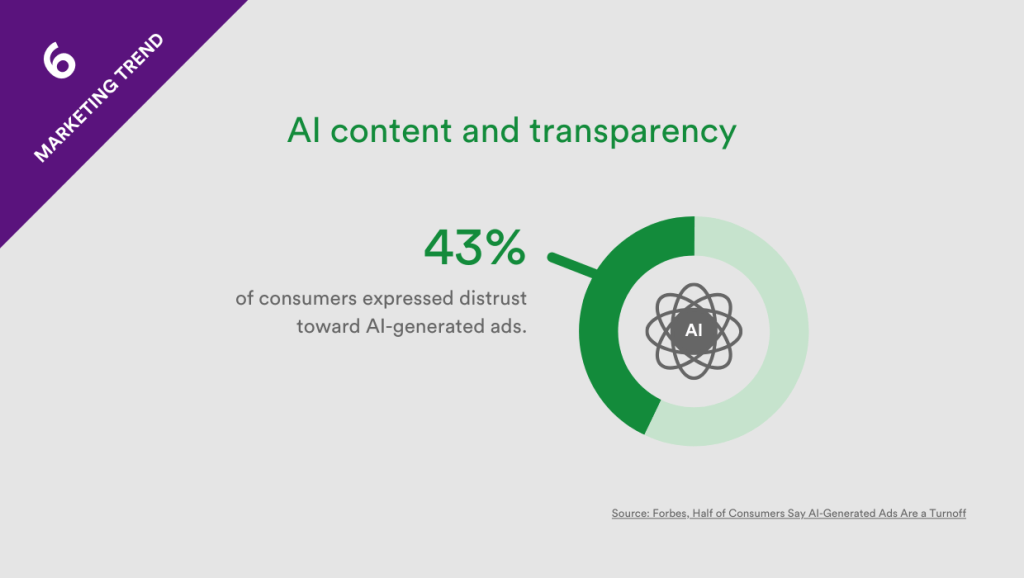
Source: Forbes, Half of Consumers Say AI-Generated Ads Are a Turnoff
Transparency in AI-generated content will be a top priority for marketers – and it’s a shift driven by consumer demand. With 43% of consumers expressing distrust toward AI-generated ads, brands will need to focus on clear communication about how their content is created.
Transparency helps demystify AI-use and reassures audiences about the authenticity of what they’re seeing. As the use of generative AI grows, initiatives like this will be crucial for fostering trust and accountability in the marketing world.
The Content Authenticity Initiative
One leading initiative in this space is the Content Authenticity Initiative, founded by Adobe. Its mission is to restore trust in the age of AI by offering tools like Content Credentials – a kind of digital ID for creative work. These credentials embed key details into content, such as who created it, when it was made, and whether AI played a role in its production.
PageProof has recently become the first online proofing software to offer content credential checks on creative assets, including imagery, PDFs, and audio files. This ensures that your proofing process can easily verify the authenticity and origin of the content, giving teams added confidence in the integrity of AI-driven work.

PageProof Smart Check: CR provides content credentials checks on an Adobe Firefly-generated image.
7. Community engagement and loyalty
In 2025, brands will continue to shift their focus on social media from simply gaining attention to building trust and fostering meaningful connections. It’s not just about individual personalization – it’s about creating a sense of belonging. Successful strategies will emphasize consistent, value-driven interactions that resonate with your audience on a deeper level.
Loyalty programs are also set to evolve, offering tailored rewards that feel personal, boosting customer satisfaction and retention. Beyond that, brands will invest in nurturing online communities – spaces where customers and networks can engage, share, and grow together.
Social platforms like LinkedIn already reward this approach, with algorithms prioritizing genuine conversations over vanity metrics such as likes. Smaller brands, in particular, will benefit by focusing less on broadcasting messages and more on starting an authentic dialogue. This shift toward collaboration and meaningful exchanges will help build long-term loyalty.
Lego’s online community
Lego’s marketing strategies are a masterclass in how to engage audiences, build a loyal community, and create a brand that stands the test of time. By focusing on storytelling, embracing digital transformation, and fostering a strong sense of community, Lego has crafted a marketing playbook that other brands can learn from.
A prime example is Lego’s online community, where enthusiasts come together to connect, share experiences, and participate in contests. This approach has helped cultivate a dedicated following and a vibrant space for fans to interact.
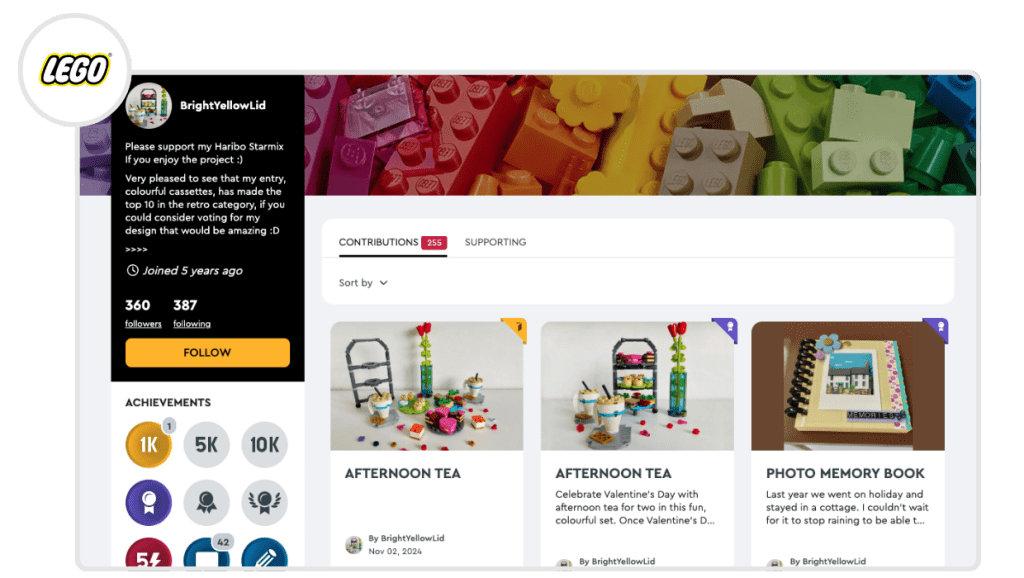
The Lego community encourages interacting with fellow enthusiasts.
8. Simplify your marketing efforts
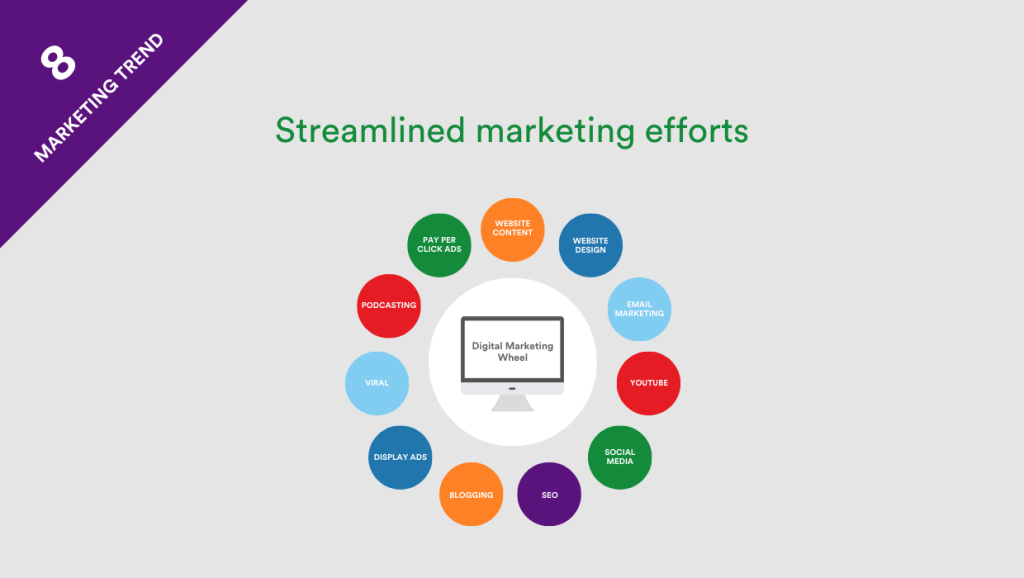
Source: Linkedin – Jade Tambini
Considering the sheer number of marketing channels and the challenge of managing them effectively, brands are increasingly embracing the idea that less is more. Instead of spreading themselves thin across countless initiatives, they should focus on a few key objectives that truly move the needle.
This approach is all about simplifying campaigns and honing in on what drives results for the business – and while areas like brand awareness can sometimes be harder to measure, they still matter and shouldn’t be ignored.
This phenomenon, often referred to as the “marketing task wheel,” highlights a common challenge where marketers handle too many disconnected tasks, resulting in burnout and lackluster results. To counter this, many are shifting their approach, prioritizing a few key objectives that align with business goals rather than chasing trends or posting without purpose.
In 2025, we predict that investing in quality initiatives and campaigns is the right move strategically. By streamlining content production, focusing on the right channels, and zeroing in on the most important metrics, marketers will achieve better results.
Coca-Cola keeps things simple
Another example is Coca-Cola. Over the years, Coca-Cola has simplified its marketing efforts by focusing on a few key pillars: brand happiness, emotional connection, and consistency. Instead of pushing numerous campaigns across every possible platform, Coca-Cola strategically centers its efforts on powerful, long-standing themes, such as sharing a Coke or creating moments of joy.
For instance, their “Share a Coke” campaign was a simple yet effective initiative, focusing on personalizing the brand experience by replacing the Coca-Cola logo with popular names on bottles. This campaign resonated deeply with consumers and was run across fewer, high-impact channels, rather than trying to saturate the market with constant, disconnected ads.
Coca-Cola also focuses on major events like the FIFA World Cup and the Olympics, where they streamline their marketing to maximize reach and impact, rather than spreading themselves across smaller, less effective initiatives. By honing in on quality initiatives and consistent messaging, Coca-Cola continues to drive results and maintain its position as a global leader in the beverage industry.
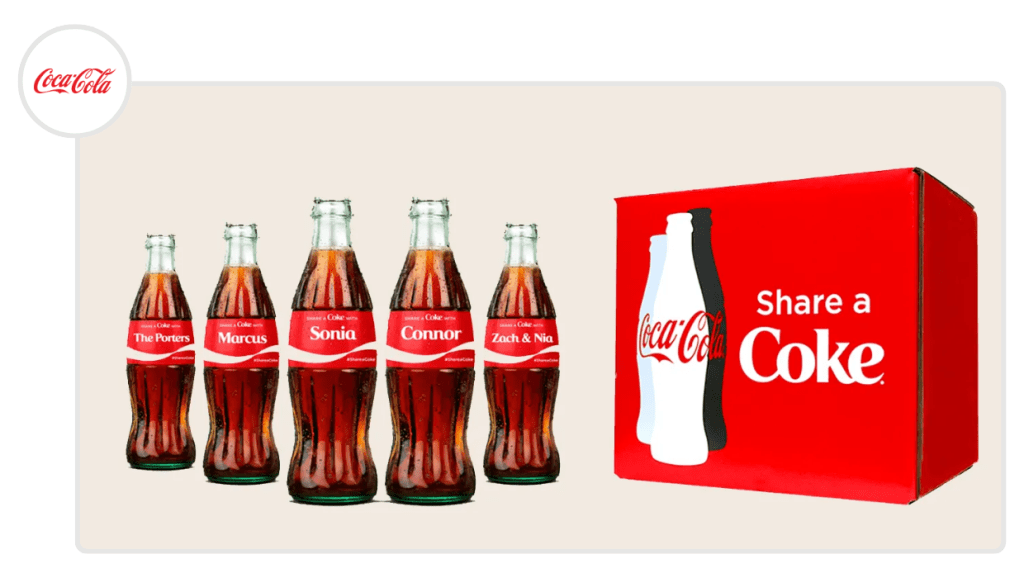
Coca-Cola’s famous ‘Share a Coke’ campaign.
Wrap up
Staying ahead of marketing trends in 2025 will require adaptability and a focus on building on what worked in 2024.
As AI continues to shape the industry, marketers will need to use it strategically to enhance, not replace, human effort. Authenticity and personalization will remain key, with brands focusing on building trust through transparent, values-driven campaigns.
Looking ahead, successful marketers will blend technology with empathy, ensuring their strategies are both data-driven and people-focused to thrive as the marketing industry adapts.
Ready to elevate your marketing strategy for 2025? PageProof, the industry-leading online proofing software, empowers marketing and creative teams to deliver content that has been reviewed collaboratively at scale.
With tools designed to make creative collaboration effortless, you’ll have everything you need to stay ahead.
Book a demo with our team using the link below to learn how PageProof can transform your creative workflows!
