The benefits of optimizing your creative processes
It’s often hard to identify what isn’t working within your business operations – but a great place to start is by taking a look at your workflows. Workflow and process optimization can help address any inefficiencies, particularly in teams that need to balance creating engaging content and meeting deadlines.
In this blog, we’ll explore how workflow optimization can enhance organizational processes for marketing teams, agencies, and creative departments. Whether you’re struggling with project management, resource allocation, or simply want to increase creative output and scale your business – understanding how to optimize your workflows is key. Read on to learn more about how workflow optimization can help your business.
Key takeaways
- Increase productivity by eliminating unnecessary steps and streamlining workflows, saving time and resources.
- Enhance collaboration with clear communication channels and defined roles, promoting team accountability and ownership.
- Boost quality by standardizing processes, ensuring consistency and compliance across creative projects.
- Adapt quickly to market changes with flexible workflows that empower teams to respond efficiently and effectively.
What are the benefits of workflow optimization?
Workflow optimization can offer several benefits, beginning with eliminating unnecessary steps that save your team time and resources. It also improves the quality of work produced through standardizing internal processes and establishing checks to ensure quality and compliance. Workflows can also improve adaptability, enabling quick responses to any market or demand changes.
Another benefit is enhanced transparency. This is achieved by clearly outlining responsibilities and promoting open communication among team members. This fosters personal accountability because clearly defined roles inspire individuals to take ownership of their tasks.
Overall, workflow optimization lays the foundation for sustainable growth and success, boosting productivity, quality, and flexibility while cultivating a culture of transparency and responsibility.

Strategies for workflow and process optimization
Optimizing your workflows can involve several key strategies that can significantly enhance organizational efficiency, productivity, and consistency. These strategies often include:
- Project management frameworks provide a structured approach to prioritize and complete tasks systematically.
- Establishing clear collaboration and communication channels ensures seamless information sharing, reduces misunderstandings, and facilitates prompt decision-making.
- Continuously improving workflow efficiency through regular reviews and adjustments helps identify and eliminate bottlenecks, streamline processes, and adapt to changing needs.
Read on to learn more about workflow optimization strategies:
Project management frameworks
A project management framework is a set of processes, tasks, and tools that provide guidance and structure for the execution of a project. The framework helps organizations map out the progression of the individual workflow steps, from beginning to completion. Common project management frameworks include:
Scrum
Scrum is a framework for managing complex projects, emphasizing iterative development, regular team collaboration, and adaptability, providing transparency and flexibility in project management.
Kanban
Kanban is a method for visualizing work, limiting work in progress, and maximizing efficiency, enabling teams to prioritize tasks, identify bottlenecks, and maintain a smooth workflow.
Lean
Lean is an approach focused on maximizing customer value while minimizing waste, emphasizing continuous improvement, efficiency, and responsiveness to customer needs, leading to streamlined processes and increased productivity.
Design thinking
Design thinking is a human-centered approach to innovation and problem-solving – emphasizing empathy, creativity, and experimentation, facilitating the development of user-centric solutions, and driving innovation.

Collaboration and communication strategies
To ensure smooth teamwork, start by establishing clear communication channels. Hold regular meetings and stand-ups, send email updates, and use messaging platforms like Slack or Teams – or project management platforms like monday.com, Asana, ClickUp, or Trello to help manage tasks effectively. Ensure that everyone understands their roles and responsibilities within the workflow. This clarity helps avoid duplication of efforts and ensures tasks are completed efficiently.
Regular check-ins allow for progress updates, feedback sharing, and issue resolution, keeping everyone on the same page and enabling quick adjustments as needed. This can be achieved with creative collaboration tools from PageProof allowing for real-time online proofing of your creative work.
Lastly, clearly define project goals and objectives to keep everyone focused on delivering results. Understanding the purpose behind their work helps teams stay motivated and productive.
Improving workflow efficiency
First off, it’s crucial to have a clear picture of what the goal of your workflow is. This lays the groundwork for everyone involved to understand their roles and how they contribute to the bigger picture.
Once you’ve established your goals, take a close look at each step in your workflow. Are they all necessary? Do they directly contribute to reaching those goals? Weed out any unnecessary tasks that might be slowing things down or causing bottlenecks.
With a leaner workflow in place, it’s time to optimize. Look for ways to streamline processes and make the most of your resources. This could involve simplifying complex procedures, reallocating manpower, or leveraging technology to automate repetitive tasks.
By clarifying your objectives, validating each step, and optimizing your processes, you’ll create a workflow that’s not only efficient but also flexible enough to adapt to changes and challenges along the way.
“Our workflow was so scattered before PageProof – email chains on email chains, hosting files in monday.com, it was just scattered. Just starting with one or two proofs in PageProof already AMPED our workflow like nothing before.”
Common workflow bottlenecks
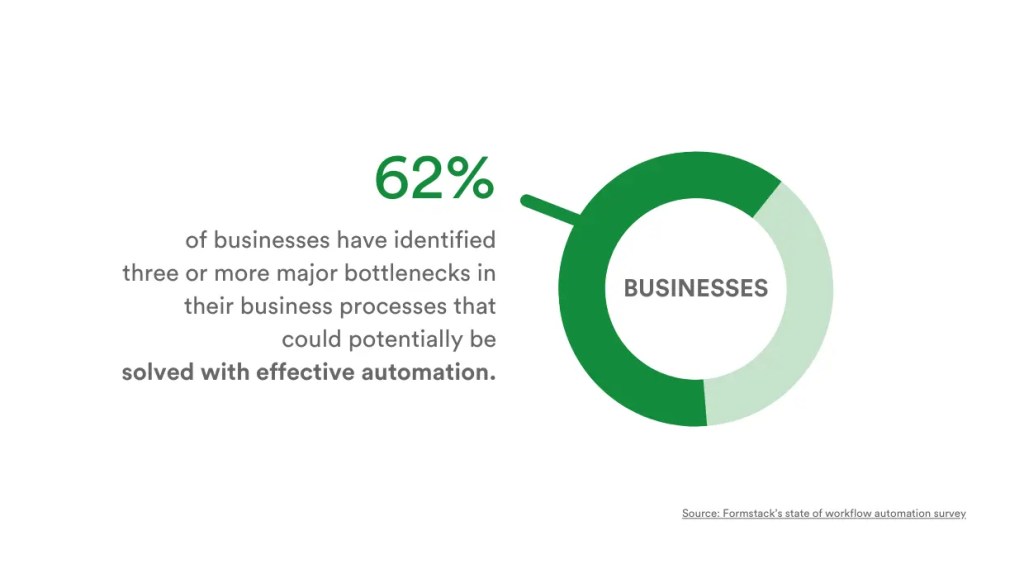
Bottlenecks are a point of congestion within a workflow that occurs when work being produced cannot progress past a certain point due to inefficiencies in your processes. As a result, resources are overstretched, follow-up actions are delayed, and the entire process either slows down or grinds to a halt completely.
Communication breakdowns
When communication breaks down, it can slow down progress for a team. This leads to confusion and things not getting done efficiently. To fix this, set up ways for team members to communicate with each other. Having regular meetings gives everyone a chance to raise issues, share what they’re working on, and make sure everyone’s on the same page.
Resource constraints
Running out of resources is another big problem that can hold a project back and make it hard for teams to meet goals and deadlines. To deal with this, it’s important to decide where resources should go first, based on what the project needs and what the goals are. Making approval processes simpler and faster can help teams get the resources they need quicker, so they can keep working smoothly. Also, investing in tools and tech that make tasks easier can help teams use resources better and get more done. Resource constraints might include:
- Human resources: adequate staffing and expertise.
- Financial resources: sufficient budget and contingency funds.
- Physical resources: required office space, equipment, and materials.
- Technological resources: necessary hardware, software, and IT support.
- Information and knowledge resources: access to relevant data and documentation.
- Time: Adequate scheduling and buffer time.
Creative block
When a team hits a creative block, it can be tough to come up with new ideas and solve problems. To get past this, organizations need to create an environment where creativity can thrive and team members feel encouraged to think outside the box. Having brainstorming sessions where everyone feels free to share their thoughts can lead to new and innovative solutions. Using techniques like mind mapping, role-playing, or design thinking workshops can help get the creative juices flowing again. By making creativity a priority and giving people the space to experiment, teams can break through creative blocks and keep pushing innovation forward.
Balancing creativity with efficiency
To strike the right balance between creativity and efficiency in workflows, clarity in your objective is crucial. When everyone understands the end goal, they can align their efforts accordingly. Flexibility in the creative process also allows for creative exploration without derailing progress. Collaboration among team members aligns all perspectives, fostering innovation while maintaining productivity.
Experimentation and continuous improvement are integral and by iteratively refining approaches, teams ensure constant evolution and growth. Leveraging PageProof’s efficiency-driving tools enhances productivity, and collaboration and streamlines creative operations – ultimately encouraging both creativity and efficiency.
Creative workflow software
Creative workflows help drive efficiency and seamless operations across various real-world applications and industries. Some applications of creative workflow software include:
Content creation and management
Effective content creation and management rely on creative workflow software to streamline the entire process, from ideation to publishing. These workflows encourage smooth collaboration among team members and ensure efficient resource allocation, leading to efficient content delivery. By automating repetitive tasks and providing clear guidelines for each stage, workflows empower content creators to focus on their creativity rather than logistical hurdles.
Social media management
Managing multiple social media platforms requires a structured approach and creative workflow software is needed for just that. It provides a systematic framework for social media managers to execute campaigns effectively, from content planning and scheduling to engagement tracking and analytics. By setting timelines, and automating routine tasks like post-publishing and monitoring, workflows enable teams to maintain a consistent online presence while maximizing audience reach and engagement.
Graphic design and branding
Creative workflow software is pivotal in ensuring brand consistency and visual coherence across various touchpoints in graphic design and branding. It establishes clear guidelines for design briefs, feedback loops, and approval processes, facilitating collaboration between designers, marketers, and clients. From logo creation to packaging design, workflows streamline the entire graphic design process, allowing teams to deliver compelling visuals that resonate with target audiences.
Advertising campaigns
Effective digital advertising campaigns thrive on coordination and timely execution. Whether print, digital, or traditional media, workflows provide a structured framework for planning, budget allocation, content creation, and performance tracking. By breaking down complex campaigns into manageable tasks, assigning roles, and setting milestones, creative workflows allow marketing teams to launch impactful campaigns that drive brand awareness and maximize ROI.
Email marketing
Precision and personalization are essential in email marketing campaigns. Creative workflow software helps by facilitating collaboration between digital marketing teams, copywriters, sales, and other stakeholders. By leveraging data-driven insights and workflow automation tools, this software enables seamless teamwork to deliver targeted messages at the right time, leading to higher open rates, click-through rates, and conversions.
Project management
In project management, creative workflows are the guiding framework for planning, executing, and monitoring creative projects from start to finish. Helping to define project objectives, establish timelines, and assign responsibilities, ensuring projects stay on track and meet deliverables within budget and schedule constraints. Whether in marketing teams, creative agencies, or brand management, workflows help streamline processes, reduce risk, and contribute to project success.
Creative collaboration
PageProof is perfect for optimizing creative workflows no matter the content being produced. By providing a centralized creative collaboration platform for marketing and creative teams to review and approve content, PageProof enhances collaboration and reduces feedback loops, ensuring that projects progress smoothly and efficiently.

How to implement workflow software
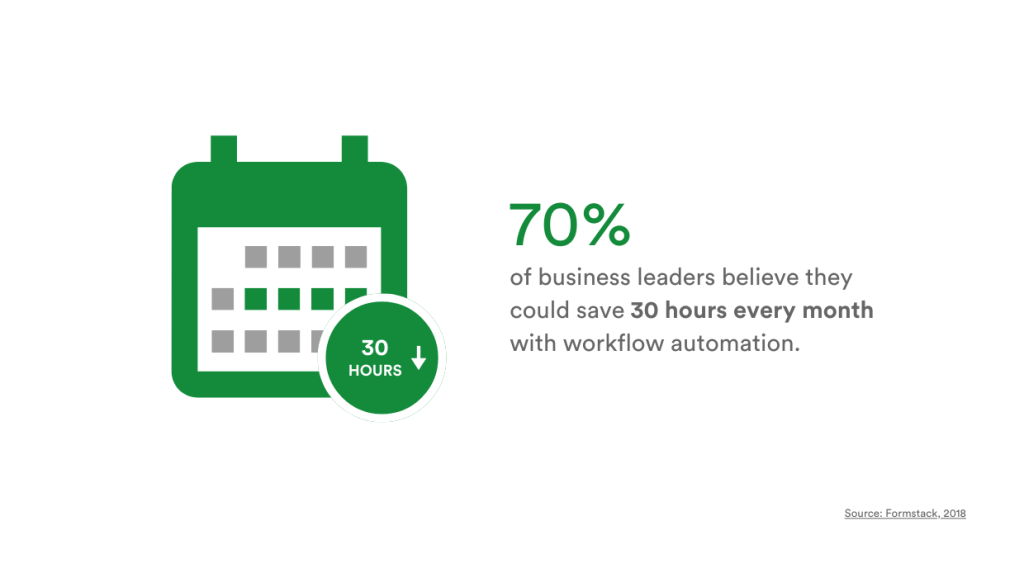
Workflow software automates tasks to make procedures smoother and more efficient – and by using this software, organizations can ensure everyone follows the same guidelines, reduces mistakes, and meets regulations.
Everyone in the company needs to be involved to make the most of workflow software. This means talking to people from different teams to understand their needs and problems. Setting clear goals and ways to measure progress – helping your team track how well things are going and find ways to make them better.
Before changing how you work, it’s crucial to understand how effective your current workflow processes are performing. This involves mapping out processes to see where things might be slowing down or not working well. Once this is done, it’s easier to see where automation or other improvements can be made.
Remote workflow collaboration
The way we work has changed a lot following COVID-19. Many companies had to quickly figure out how to work remotely. This meant using new tools and finding ways for teams to communicate and work together even if they weren’t in the same place.
At first, it was about just making sure things kept running smoothly. But as time went on, companies realized that remote work could be a good thing. It gives people more freedom and can help with work-life balance. So, instead of just trying to copy the way things were done in the office, companies started to think about how to make remote work fit better with everyone’s needs.
This new way of thinking involves finding a balance between having some structure but also being flexible. Tools for online meetings and managing tasks became more important – and companies also started thinking about how to make sure everyone feels included, no matter where they’re working from.
Looking ahead, this shift to more flexible ways of working could change a lot about how companies operate. It might make it easier to hire and keep talented people, and it could even change where people choose to live and work. Overall, COVID-19 sped up the move towards finding better ways to work remotely, and by embracing this change, companies can make the most of the benefits it brings for both work and people’s lives.
Measuring the success of your workflows
Measuring the success of workflows is an important process once they have been reworked. It starts with spotting any lingering efficiency issues even after streamlining efforts. Next, ensure resources are used effectively, keeping a close eye on the quality of what’s produced, and managing finances wisely. It also means checking how well communication is working within the workflow, keeping clients happy, encouraging innovation, sticking to deadlines, and assessing if investments are paying off.
Plus, it involves keeping tabs on how employees are growing and learning. Altogether, these measures give a clear picture of how well-optimized workflows are really performing. Other measures of workflow success include:
- Efficiency: tasks are completed faster, and more tasks are done in less time.
- Resource use: resources, such as people and materials, are used more effectively with less downtime.
- Quality: there are fewer mistakes or defects, leading to higher customer satisfaction.
- Cost management: operational costs are lower, and the return on investments is higher.
- Communication: communication issues cause fewer delays, and team collaboration improves.
- Client satisfaction: there are more repeat clients, and client satisfaction ratings are higher.
- Innovation: more new ideas are implemented, and process improvements are frequent.
- Deadlines: more projects are completed on time, with fewer delays.
- Investment returns: workflow changes yield more benefits, resulting in better cost-benefit outcomes.
- Employee growth: employees have higher skill levels and are more engaged and satisfied.
Powerful workflows with PageProof
PageProof offers a streamlined proof approval process tailored to your industry, ensuring that everyone involved can view the proof and contribute with comments and markup. We support various roles to manage the workflow effectively: reviewers, mandatory reviewers, gatekeepers, and final approvers. Along with decision thresholds for each workflow step giving control of when the proof flows on.
- Reviewers are invited to view and comment on the proof without impacting its progress through the workflow.
- Mandatory reviewers, however, must complete their review before the proof can move to the next step. Conditions can be set to wait for one or all mandatory reviewers’ decisions.
- Gatekeepers play a critical role by deciding whether the proof advances to the next step or returns to the proof owner with actionable items. They are often positioned in individual workflow steps, but multiple gatekeepers can be managed with conditions similar to those for mandatory reviewers.
- The final approver gives the ultimate approval, determining whether the proof is accepted or sent back for revisions.

Workflows tailored for your business
With PageProof, you can customize workflows to fit how your business operates, ensuring everything runs smoothly.
For example, the workflow for a marketing campaign might start with the marketing team brainstorming content ideas. Once the ideas are ready, the creative team takes over to produce the designs, getting real-time feedback and revisions through PageProof. After that, the legal team reviews the content for compliance, and finally, senior leadership gives the final sign-off, making sure everything meets the company’s standards before it goes live.
This tailored workflow streamlines collaboration and keeps everyone on the same page, ensuring a clear record of all feedback and approvals. Book a demo today to see our workflows in action!
Start optimizing your workflows today!
Workflow optimization isn’t a one-time thing. It’s all about constant tweaks, learning, and adapting. Technology helps, sure, but it’s just as important to focus on your people.
When teams work together, great things happen. And by always looking for ways to do better and learning from mistakes, companies can track their operational progress with clear goals. This keeps things running smoothly while making sure everyone’s happy and making a difference. It’s the key to growing, staying innovative, and being strong in a dynamic business environment.
FAQs
What is workflow optimization?
Workflow optimization is the process of improving an organization’s workflow to boost efficiency, productivity, and quality. This involves identifying and removing bottlenecks, streamlining processes, and using technology to automate repetitive tasks.
Why is workflow optimization important for creative teams?
Creative teams often encounter unique challenges, such as balancing creativity with deadlines and handling a variety of tasks. Workflow optimization helps these teams streamline their processes, enhance collaboration, and ensure the timely delivery of high-quality work.